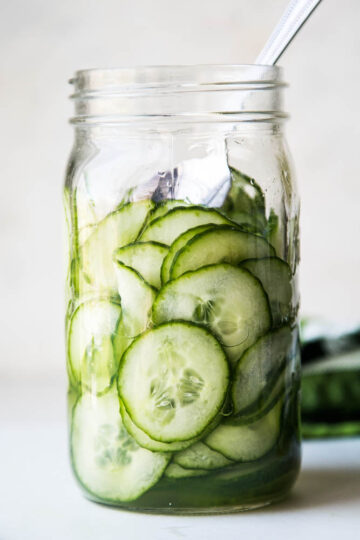
Making your own sauerkraut sounds intense, but honestly? It’s just cabbage, salt, and a jar. No fancy crocks or bubbling science experiments required. All you need is a little patience! I’ll show you all the steps (there aren’t many) and you’ll be shocked how easy it is.

Homemade Sauerkraut in a Jar
The result is tangy, crunchy, gut-happy goodness that tastes a million times better than any of those canned grocery store brands. Once you try it, you’ll wonder why you didn’t start fermenting years ago.
Pile it on hot dogs, toss it in grain bowls, or just fork it straight from the jar. It’s cheap, easy, and secretly makes you look like a kitchen wizard.
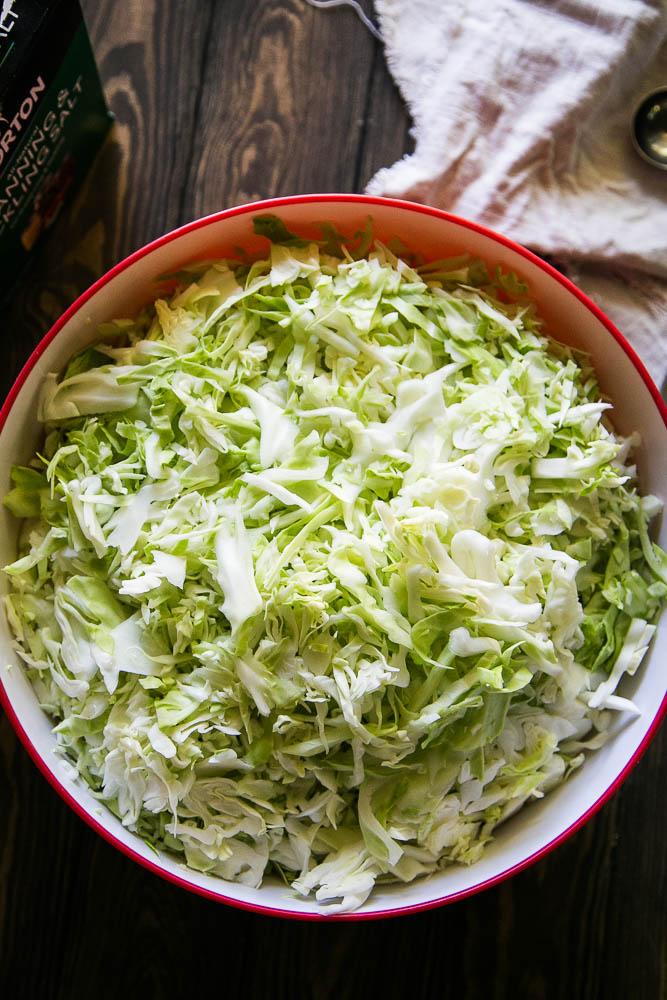
Traditional Sauerkraut Recipe Ingredients
- Trimmed green or red cabbage
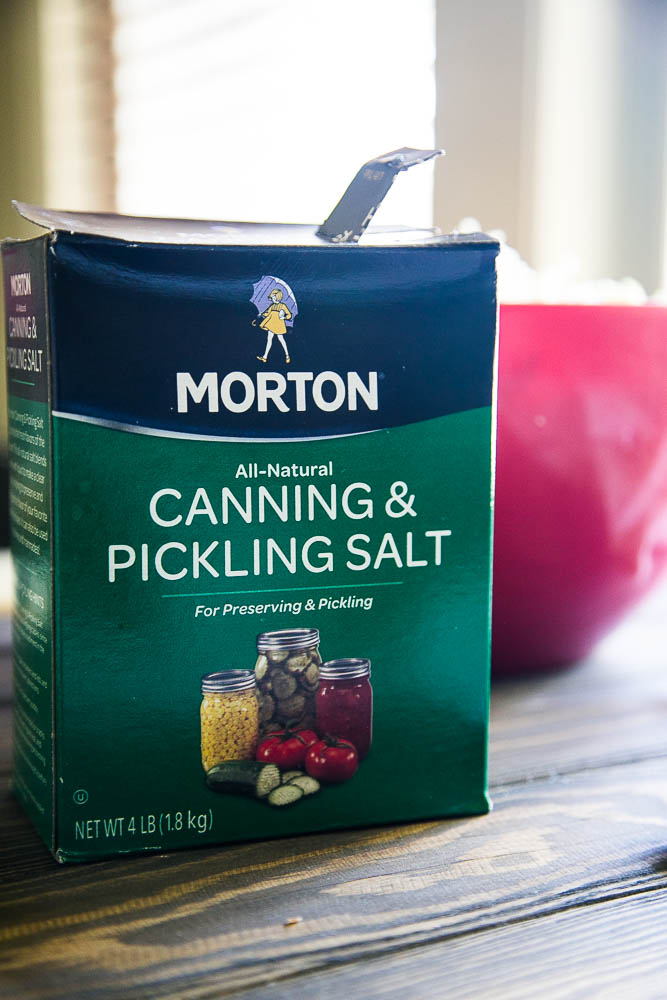
- Pickling salt
How to Make Sauerkraut
- Core and shred the cabbage. I recommend using some kind of shredding attachment on a food processor or a stand mixer to get fine, uniform shreds. You can also use a knife if you want.
- Transfer the cabbage into an extra-large bowl and add the salt. Stir well, then let it stand at room temperature for 2 hours. It should start releasing its liquid by then.
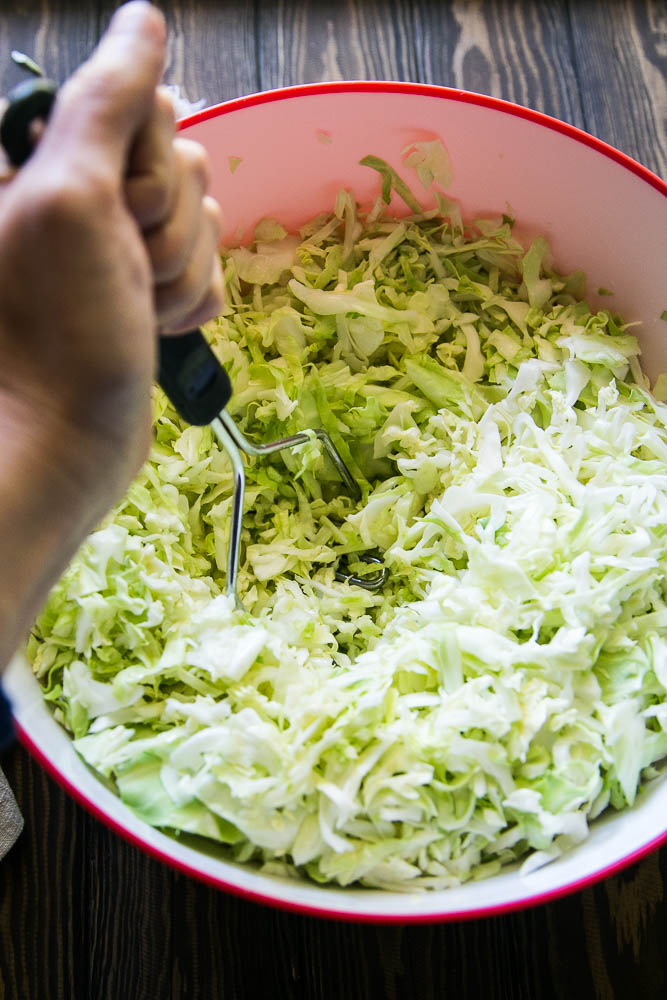
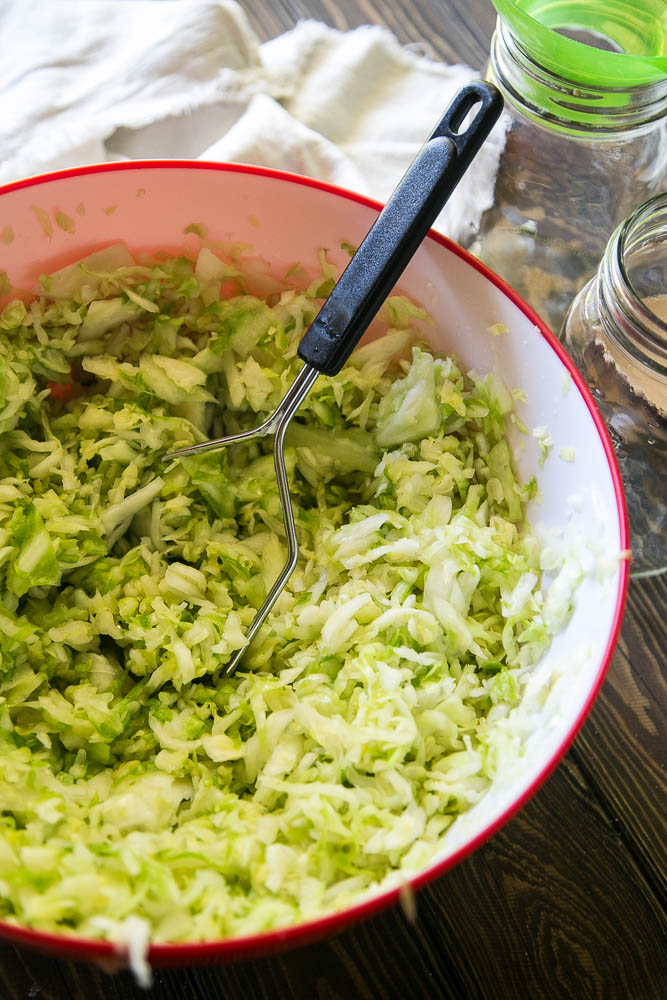
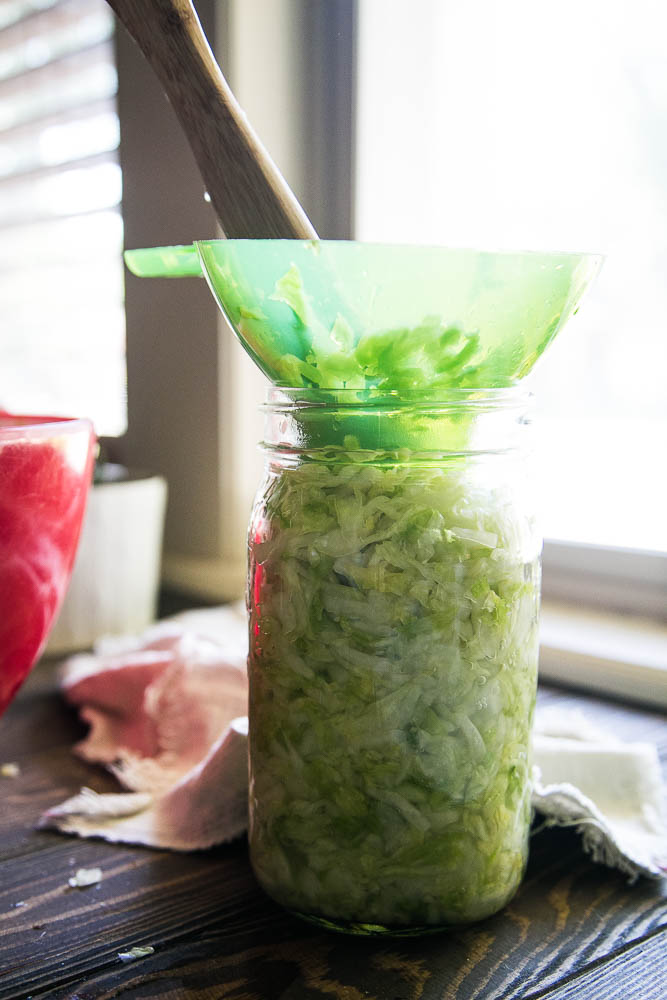
- Pound the cabbage using a potato masher, a meat pounder, or a heavy-bottomed glass. Really bruise it to release more of its liquid. Pack the cabbage firmly into two sterilized quart-sized jars. There should be enough juice in the jars to cover the cabbage, but if there isn't enough, add a little water.
- Cover with a lid and screw band. Don't tighten them firmly, just until you feel resistance. Place the jars on a tray or a plate to catch any juices that will escape. Store where the temperature remains fairly steady, between 60 and 70°F.
- Check the sauerkraut after 24 hours. The cabbage should still be completely immersed in the liquid. If you need to make more brine, dissolve 1 ½ tablespoons of pickling salt in 1 quart of water. Pour enough in brine to keep the cabbage submerged.
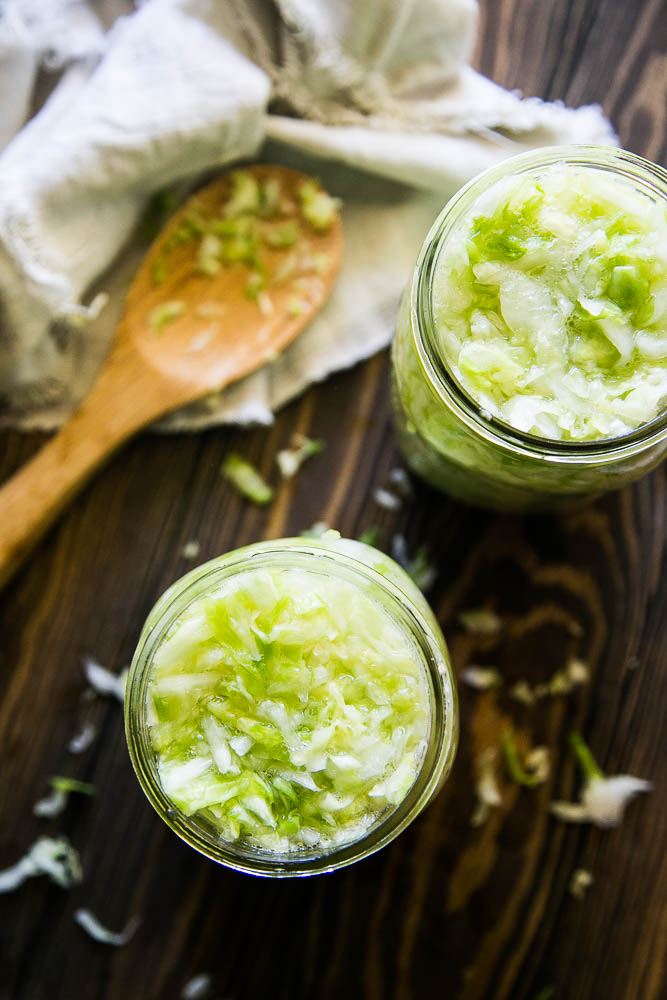
- Check the sauerkraut every few days and skim off any foamy stuff that appears on the surface. Bubbles should begin to rise to the surface, indicating that fermentation is taking place.
- Start tasting the sauerkraut after 2 weeks. The flavor should change from salty to pickled. The fermentation can take anywhere from 2 to 6 weeks depending on the temperature. You may want to rinse it off before eating if it still tastes very salty (it does to me). Only rinse off what you plan on eating right then.
- Store finished sauerkraut in the fridge for several months.

Homemade Sauerkraut Recipe tips
- If the sauerkraut still tastes pretty salty, try rinsing a little off first, but not more than you plan on eating right then.
- Use a potato masher, a meat pounder, or a large, heavy-bottomed glass and smash that cabbage! You really want to release as much moisture from the cabbage as you can.
- If it tastes more salty than pickled, then it’s not ready yet. Be patient!
How to Use Homemade Sauerkraut
And, do me a favor and grill up your favorite sausage or brat and eat it with a side of sauerkraut and some whole-grain mustard -- that's a real German/Austrian culinary experience right there.
How to Store Homemade Sauerkraut
Sauerkraut will last in the refrigerator for several months! It was so nice to have the real stuff after ahem . . 10 years without.
If you notice any fuzz, or it starts smelling moldy or yeasty, you should probably start a fresh batch!
other recipes
Have some extra sauerkraut? Try adding it to this delicious potato salad!
Hot German Potato Salad with Sauerkraut
By the way, there are a lot of health benefits from eating fermented foods like sauerkraut, miso, kimchi, and sourdough. Good fermentation = good bacteria for the gut!
If you make one of my recipes, I'd love to see! Post it on social media and tag me at @perrysplate or #perrysplate so I can send you some love!
Frequently Asked Questions
For a sauerkraut with more depth and flavor, try adding traditional spices like pepper, caraway seeds, juniper berries, and mustard seeds.
You could also add different vegetables or fruits.
Rinsing sauerkraut is not necessary, but if the cabbage is a bit too salty for your taste, you can rinse the amount you plan to eat during that meal.
Fermentation can take 2-6 weeks depending on the temperature it’s kept at. Room temperature of 60°–70°F (15°–21°C) is recommended.
Pickling salt (Plain, finely ground salt) is required. Make sure to use a salt that has no added iodine or anti-caking agents.
Refrigerated sauerkraut will stay fresh for approximately six months as the cold environment prevents bacteria growth.
Fermented foods are great for your gut health, and good gut health means your immune system is supported too!
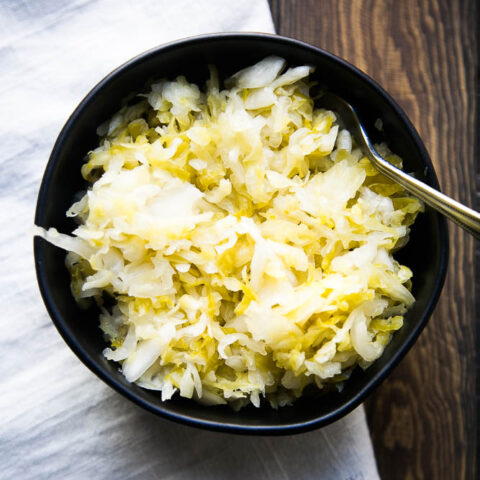
Sauerkraut in a Jar
Making homemade sauerkraut is easy! All you need is a bunch of cabbage, pickling salt, and a couple of quart-sized mason jars.
Ingredients
- 5 pounds trimmed green or red cabbage
- 3 Tablespoons pickling salt
Instructions
- Core and shred the cabbage. I recommend using some kind of shredding attachment on a food processor or a stand mixer to get fine, uniform shreds. You can also use a knife if you want.
- Transfer the cabbage into an extra-large bowl and add the salt. Stir well, then let it stand at room temperature for 2 hours. It should start releasing its liquid by then.
- Pound the cabbage using a potato masher, a meat pounder, or a heavy-bottomed glass. Really bruise it to release more of its liquid. Pack the cabbage firmly into two sterilized quart-sized jars. There should be enough juice in the jars to cover the cabbage, but if there isn't enough, add a little water.
- Cover with a lid and screw band. Don't tighten them firmly, just until you feel resistance. Place the jars on a tray or a plate to catch any juices that will try (successfully) to escape. Store where the temperature remains fairly steady, between 60 and 70 degrees F.
- Check the sauerkraut after 24 hours. The cabbage should still be completely immersed in the liquid. If you need to make more brine, dissolve 1 ½ tablespoons of pickling salt in 1 quart of water. Pour enough in brine to keep the cabbage submerged.
- Check the sauerkraut every few days and skim off any foamy stuff that appears on the surface. Bubbles should begin to rise to the surface, indicating that fermentation is taking place.
- Start tasting the sauerkraut after 2 weeks. The flavor should change from salty to pickled. The fermentation can take anywhere from 2 to 6 weeks depending on the temperature. You may want to rinse it off before eating if it still tastes very salty (it does to me). Only rinse off what you plan on eating right then.
- Store finished sauerkraut in the fridge for several months.
Recommended Products
As an Amazon Associate and member of other affiliate programs, I earn from qualifying purchases.
-
 Ball Mason 32 oz Wide Mouth Jars with Lids and Bands, Set of 12 Jars.
 -
 KitchenAid KE008OHAQA Classic Wire Masher, One Size, Aqua
 -
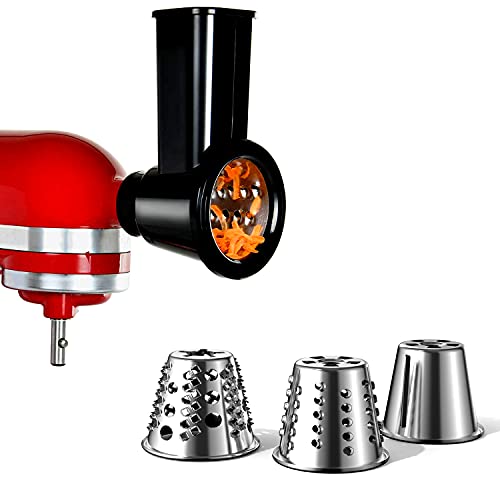 Slicer Shredder Vegetable Cutter Attachment - Electric Salad Makers fit all KitchenAid Stand Mixers - 3 Slicing Blades and Blades Cover - Silver and Black
 -
 Cuisinart FP-8GMP1 Elemental 8-Cup Food Processor, Gunmetal
 -
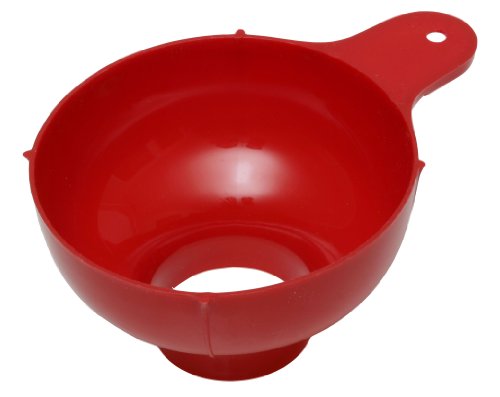 Roots & Branches Home Canning Funnel, Fits Wide Mouth & Regular Mason Jars, Red
This post may contain affiliate links. Any purchases made by using these links won't cost you any extra and helps keep my content free. These links may be Amazon links as I am part of the Amazon Associate Program.