Staying Whole in a Processed World: Processed Food
What’s this series all about? Check out the intro post here: Staying Whole in a Processed World: Introduction
When I think of processed food, snack-type things like crackers, chips, and cookies immediately come to mind. Then I think of “helper” meals in a box, frozen dinners, cream of “whatevers”, baking mixes, 3,346 different snacks targeted at my kids…. and basically the entire middle section of the grocery store.
Oooohhhh, but it tastes good, doesn’t it? I’m not afraid to admit that I’d (still) probably eat an entire bag of Doritos in one sitting if I sat with it on the couch long enough. It’s convenient, too. Hungry? All you need to do is stick your hand in the container and… voila! You have a snack. Or pop it in the oven and you’ve got dinner in 12 minutes. And it’s cheap. Well, that’s what you might think initially, but it’s actually NOT cheaper in the long run. More about that later.
Almost every kind of food available has been processed to a degree. Even meat needs to go through some processing before it’s home-cook friendly. (Ever taken a bite straight out of a cow?) There are two questions we ask ourselves when it comes to making food choices:
How different is this food from when it was originally found in nature?
and
Can I track this easily back to its source?
Fresh produce is easy to imagine in nature and trace back to its source. Steaks? Not too hard. Bread? A little tricky. Cheetos? Try a lab.
Conquering the Grocery Store
The battle of making clean food choices isn’t won at the dinner table. It’s actually won when you check out of the grocery store.
Simply put: If it’s in your cart, it’s going home with you. If it’s at home with you, you’re going to eat it.
The best way to keep from eating processed snack food, frozen fast food, and everything else that comes in a box or a bag is not to take it home with you in the first place. Period.
Here are a few tips to help you out as you shop:
Shop the perimeter of the store
With the exception of the spice aisle and a few condiments, that’s where you’ll find most of the actual food. (produce, meat, dairy…)
Do NOT go shopping when you have the munchies
Hopefully we’ve all learned this by now, right?
Go with a list and stick to it
Not only will you save money that way, but you’ll avoid impulse buys on things that you don’t want in your kitchen. In fact, let’s take this one step further and…
Make a meal plan before you go to the store
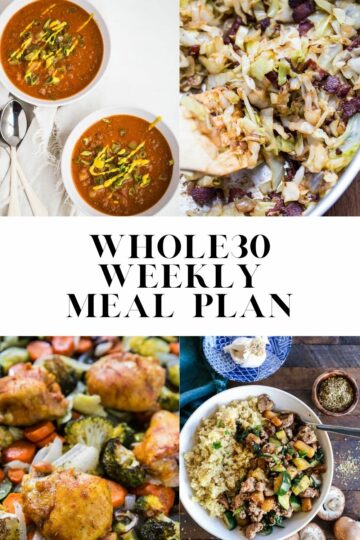
Planning out your meals is the best thing ever. It’ll keep you from buying things you don’t need at the store plus it’ll relieve your meal-time stress during the week. It works. I promise. If you need help getting started with this, I wrote a post on how I do it. Pre-made meal plans are great, too. I’ve started posting those as well.
Avoid the grocery store altogether
By shopping at farmers’ markets and co-ops, your chances of coming home with anything processed is rather slim… if you can avoid the bakery stands. :)
Weaning
If your current diet relies heavily on processed food and the thought of giving up everything at once scares you out of your mind, take smaller steps. Not everyone is comfortable quitting cold turkey, and if the changes you’re making aren’t comfortable, they won’t stick.
If you need more of a “weaning” approach, here are a few more ideas:
Read ingredient labels carefully
The ingredient section of a label will tell you far more about a product than the nutrition facts. If I happen to buy something processed, these are the major additives I try to avoid:
Hydrogenated oils – It’s awfully hard to avoid all vegetable oils if you’re buying something that’s highly processed, but at least avoid the hydrogenated or partially hydrogenated ones.
MSG (monosodium glutamate) – MSG is a common flavor enhancer in processed foods. Look for MSG’s other names, too: hydrolyzed vegetable proteins, autolyzed yeast, hydrolyzed yeast, yeast extract, soy extracts, or protein isolate. MSG (as well as aspartame and a few other flavor enhancers) is dangerous because it overstimulates the taste centers in our brain which can result in neurological damage. (See Excitotoxins in the Reference section below.)
High-fructose corn syrup – We avoid this as well as other variations of corn syrup, words that end in -ose (fructose, sucrose, etc), and foods that have some type of sugar as one of the first few ingredients. Next week’s topic is all about sugar. Until then…
Preservatives - (like BHA, BHT or anything “to preserve freshness or flavor”) Someone said once, “Shouldn’t we be living longer if our food is filled with preservatives?” Haha. If only…
Artificial Flavorings, Colorings, & Sweeteners – More stuff that I don’t want in my body. An article I linked to below covers food additives in more detail.
Cook from scratch (or learn to cook, period)
It seems that over the past few decades, cooking has been demoted from a life skill to an optional hobby.
A hundred years ago learning to cook really wasn’t an option, and I think that it should still be that way. I’m not saying you have to get all obsessed about it and (heaven forbid) start a food blog, but learning to prepare meals with ingredients (instead of pre-packaged “helpers”) is an important skill to have. Like doing laundry. Or managing money wisely.
If you’re completely lost in the kitchen, take a few classes! Watch YouTube to learn about vegetable prep! If there are people around you who seem more comfortable with cooking, ask them for advice! Ask them for recipes! Find food blogs with similar food philosophies as you have. I find that recipes I try from food blogs often turn out better than ones I find from commercial websites and their cookbooks. And here’s a little secret: the more new recipes you try, the better you’ll be at glancing at the recipe and deciding whether or not it’s something you’ll like. Honest.
Also, don’t be afraid to try new things. With any new skill you acquire (or one you’re trying to improve) there will be bumps along the way, but the more you do something the more adept you become. And even when you think you’ve got things figured out, a dish or two still might not come out right (or your kids will throw it on the floor). It happens. It doesn’t mean we don’t stop trying.
Create a convenient kitchen
This might label myself as an extremely lazy person, but I had to rearrange a few things in my kitchen in order to keep the habits I was trying to form.
Example: I try to use a produce rinse on the non-organic produce I buy, but my large all-purpose plastic bowl was kept in the back of a cupboard with a bunch of stuff stored inside. The thought of digging through all of that stuff to get my bowl out every time almost made me give up the whole produce-rinsing step. So, I moved that big bowl to one of my top cabinets, right next to the stove. Seems like a waste of space, but I ended up using that bowl a lot. I also stick my salad spinner in there because I often use them together. Now I don’t grumble (as much) and try to talk myself out of that extra step.
What I’m trying to say is… arrange your kitchen to allow cooking to be as convenient and easy as possible. Make it work for you!
Health Claims & the Organic “Halo”
Food products that shout things like, “low in sugar”, “low in fat”, “more fiber/omega-3/antioxidants, etc. added!” or my personal favorite overused, meaningless phrase, “all-natural” are trying to convince you that what’s in the package is better than getting those sought-after nutrients from actual food. Watch out for “multi-grain” as well. It only means that there is more than one type of grain in that product (mostly cheap processed ones), and not necessarily whole grains.
Organics have exploded in the processed food world, and while it’s nice that organic products are mostly free from major additives (above), they doesn’t deserve the “halo” they often get. When it comes to processed food, don’t assume everything that is labeled “organic” is good for you. Stores like Whole Foods and Trader Joe’s can be a wonderful source of clean produce and meat, but I think their abundance of processed food gets more praise than it deserves. At the end of the day those organic cookies, crackers, frozen meals, and boxed mixes are still full of cheap, refined grains and too much salt and/or sugar.
Outside the House
I learned very quickly that it’s almost impossible to keep our normal diet 100% of the time when we’re away from home. Once you leave your house, you give up much of the control you have over what you eat (or at least the quality of what you eat). In our family, we try to keep what goes into our house and eat on a daily basis as clean as we can. That enables us to relax more when we’re traveling, eating out, or spending time with friends and family who might not share our “clean eating” philosophy.
Traveling
Your food selection varies wildly depending on where you are and how long you’ll be gone. When we go on road trips we pack as many healthy snacks as possible and avoid purchasing anything at a gas station other than gas and bottled water. If you plan on staying in a hotel for several days, try out an extended stay hotel that offers kitchenettes. That way you can still stay close to your regular eating habits and avoid eating out at every meal. (Saves money that way, too!)
Eating Out
We consider eating out a special treat and go out maybe 2-3 times a month. If you eat out frequently, try to find restaurants that offer clean, local, or organic options. Sometimes I order vegetarian (depending on my mood and what I’ve eaten recently) to avoid eating meat that’s not up to our standards.
Social or Family Gatherings
It’s easy to be choosy at a restaurant, but we’re invited to eat at someone’s house, I would never ask questions like, “Um, is this grass-fed beef? Is this cheese made from hormone-free milk? Are these whole-grain rolls?”. We just enjoy the company and the meal that has been prepared for us. I learned very quickly to place more value in nurturing relationships with friends and family rather than stick to a strict eating regimen 100% of the time. (I’m fairly strict when my kids are under the age of 2, though, when they’re forming their food preferences.) If they happen to ask me about what we eat and why, then I’m happy to share.
If you’re at a potluck with a lot of people, you can always bring a cleaner, healthier option in case all there is to eat is hot dogs, hamburgers, and eight different types of chips.
The Cost
One of the biggest concerns I hear about a clean, whole-food diet is how expensive it is and how time consuming it is. After gathering some thoughts I decided that I’ll add this topic to another blog post. For now I’ll tell you that when you avoid buying processed food (especially snacks and sweets), you free up quite a bit of money for cleaner groceries.
A box of crackers might cost you less than a bag of nuts, but you’re getting far fewer nutrients in the crackers. Healthy food costs way less than junk food on a dollar-per-nutrient basis. Plus, healthy, nutrient-dense food will keep you satisfied longer. (And if the bulk of your diet is cheap, processed food, you’ll be paying out more for doctor visits and medications because your health will suffer.)
Assignment!
Don’t worry, I’m not going to tell you to take a big trash bag and clean out all of the processed food in your house. (Although if you wanted to do that, I’d totally support your decision.) Small changes are more permanent, remember?
1. Make one thing from scratch that you would normally buy at the store.
OR
2. Try out a new recipe using all whole foods.
Resources
Related Articles & Books
12 Food Additives to Remove From Your Diet – Mercola.com
Healthy Eating Shouldn’t Cost an Arm and a Leg – Weston A. Price Foundation website
Cooking Traditionally with Little Time to Cook – Weston A. Price Foundation website
Dirty Secrets of the Food Processing Industry – Weston A. Price Foundation website
Excitotoxins: The Taste that Kills by Dr. Russell Blaylock (Explores the dangers of aspartame, MSG, and other substances added to our food. My husband is a big fan of this book.)
Homemade Pantry Staples
There are a lot of pantry items that can be made from scratch. Start with the things you use most frequently and are comfortable with doing. For us it was cooking big batches of beans, making our own pancake mix, taco seasoning, and using leftover chickens to make broth. (But I didn’t start all at once!) For others it might be making yogurt, homemade bread, or canning. Just remember: You don’t have to do it all or all at once. As one change becomes routine and part of your lifestyle, try adding another. And then another.
Check out the Pantry Staple section of my index for ideas: Homemade Pantry Staples. Google is nice, too. :)
Homemade Versions of Over-Processed Favorites
Pizza (Check out the Pizza & Crust category in the index!)
Mac ‘n’ Cheese variations: Swiss Chard & Sun-Dried Tomato Skillet Mac, Bacon & Butternut Skillet Mac, Mac ‘n’ Smoked Gouda with Cauliflower
Chicken Strips: Parmesan-Ranch Chicken Strips
Burgers (Yep, they have their own category, too.)
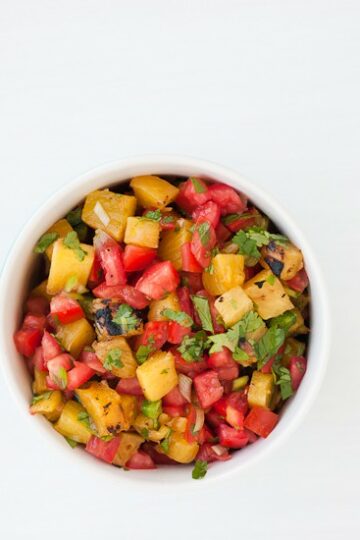
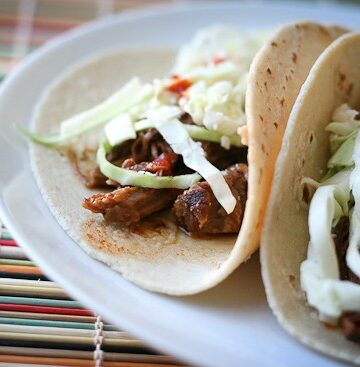
Tacos: Crispy Shredded Chicken Tacos or Black Bean Tacos (my personal favorite), Tropical Fish Tacos w/ Pineapple Salsa, Fish Tacos with Srawberry-Cuke Salsa, Tex Wasabi’s Koi Fish Tacos (These are breaded and fried, but if you’re going to eat fried food, you might as well do it at home where you can control what oil is used.)
Soup: (See the Soups & Stews category!)
Are you enjoying the series so far? If so, spread the word!
Subscribe to Perry’s Plate via RSS Feed or follow on Facebook, Twitter, or Pinterest so you don’t miss a single post. You can also receive updates to your inbox by putting your email address in that pink box in the sidebar.
Other posts in this series: (links will be added as posts are published)
Introduction
Fruits & Vegetables
Whole Grains
Getting Your Protein
Healthy Fats
Sweets
Photo Credits: Shutterstock


perrysplate
18
0


Wilma — May 7, 2012 @ 5:14 pm
Great series – I’m enjoying it so much! I think you would like one of my favorite podcasts – Let’s Get Real. It’s by chef Erika Wides, and it’s all about real food, vs “foodiness”. This is her website: http://letsgetrealshow.com/about/
[Reply]
Natalie replied: — May 7th, 2012 @ 11:20 pm
Just subscribed!! Thanks Wilma!
Elizabeth — May 7, 2012 @ 5:24 pm
Can’t wait for the Sugar post! My poor classes are probably sick of me harping on about refined sugars, but seriously, that’s some scary stuff we’re addicted to!
[Reply]
Natalie replied: — May 7th, 2012 @ 11:21 pm
Sugar is such a beast. Right now it pretty much owns every pregnancy craving I have. I feel kind of hypocritical writing that post. :/
michelle — May 7, 2012 @ 6:25 pm
Lucky for me I grew up with parents and grandparents who cooked everything from scratch. I do keep a couple of boxes of organic mac and cheese available for babysitter nights but otherwise we cook it all.
I also order vegetarian when I eat out because I only want to eat the meat I choose at home. I know exactly where it came from and love that. I can’t wait to share this info with my husband as he sometimes gives me a little eye-roll when we are out.
[Reply]
Natalie replied: — May 7th, 2012 @ 11:23 pm
You were very lucky! My mom cooked from scratch sometimes, but we had a lot of processed stuff as well. We almost always ate at home, though, and I think that’s important, too. (family time!)
Courtney — May 7, 2012 @ 7:20 pm
Great article! I love that you take the down-to-earth approach to clean eating. I try to eat clean, but have my cheat days here and there when I travel, eat out or at other people’s houses, or when I flat out just want an artificially colored cupcake. I love when people can eat healthfully without being a nazi about it and projecting all of their opinions on others in a way that may make them feel beneath them or uncomfortable. Thanks for a great read and the tips!
[Reply]
Natalie replied: — May 7th, 2012 @ 11:24 pm
“when I flat out want an artificially colored cupcake”. Oh girl… we’re definitely on the same page :) I’m glad you liked it!
Sarah @ Homestyle Cooking Around The World — May 7, 2012 @ 7:34 pm
This is a great article and series- ditto to Courtney’s comment.
[Reply]
Natalie replied: — May 7th, 2012 @ 11:24 pm
Thanks Sarah!
Megan — May 7, 2012 @ 8:40 pm
I am loving this series, and definitely agree that I like your no shame baby steps style. My husband and I both grew up learning to cook, but wildly different on health expectations (my mom was really trying to be healthy and reasonable, but I feel like we are getting so many more options than she had in rural 80s… his family could feed an army on the cheap and so quality and clean weren’t in his vocab). As I get rid of chemicals and processed in our lives, and replace it with homemade snacks, I feel so proud that I made that yummy nut butter in my smoothie or homemade Lara bar my baby was eating. And I feel better about life. Thanks for sharing!
[Reply]
Natalie replied: — May 7th, 2012 @ 11:26 pm
It IS exciting when you make things from scratch… such a feeling of accomplishment! And thanks! I’m glad you’re enjoying the posts :)
Sare — May 7, 2012 @ 10:20 pm
I just wish we could rid ourselves of salami (I am not the one who buys it..hmm). Nitrates and nitrites creep me out. Even though we each a lot of produce, minimal grains (except for only whole grain bread..hopefully that is good), and cut back on meat, there is still a bit too much processed stuff in our house. No “helpers” around here, but chips and some other things snacky. We’re working on it though You’d be proud of me, I bought organic berries and organic spinach last week. Yay for babysteps.
[Reply]
Natalie replied: — May 7th, 2012 @ 11:27 pm
Sare, if salami is your biggest concern I think you’re in a good place. :) (Speaking of nitrates, I really wish they had uncured bacon at Costco…)
Sarah | The Cyclist's Wife — May 7, 2012 @ 10:51 pm
Great post. I can’t wait for your post on the cost of healthy whole foods vs. processed. I’ve found that it is much less expensive to eat healthy than boxed. The Farmer’s Market is typically much cheaper than the grocery store for higher quality, local and/or organic produce in larger quantity. Plus it just tastes better.
In fact, I really believe if people make the effort to change to a healthy whole diet most would agree that the foods not only taste better, but also make you feel better.
Last, I totally agree about recipes on blogs vs. commercial websites! The recipes are less difficult, tasty and creative!
[Reply]
Natalie replied: — May 7th, 2012 @ 11:29 pm
Thanks Sarah! That post won’t go much into the dollar amount, but into some other costs involved (health, time, etc.) I agree with you wholeheartedly about it costing less. When I’m checking out at the store with my cart mostly full of produce I get out of there at under $75 usually. Then I see carts full of garbage costing twice as much. Hmm…
And YES! It DOES make you feel better!
Heather — May 8, 2012 @ 12:14 am
Great post. It’s something I’ve been thinking about a lot lately. My husband’s a vegetarian and I’m almost there, so we have been better about eating lots of fresh produce and organic when we can. My only problem is that my kids have developed quite a love for all things processed, and are not very inclined to eat otherwise. With the exception of eggs, fruit and smoothies I have a hard time getting them to eat much that I consider healthy. (I take that back. They love it when I bake, but that only happens so often. Any suggestions?
[Reply]
Natalie replied: — May 8th, 2012 @ 8:00 am
Heather, that’s exactly why I’m writing these! I’ve heard so many that are in a similar situation (whether it be with picky kids or a picky husband. Sometimes both.) All the suggested I have would be within these posts. What are the ages of your kids? My kids are still very small (3 and 5), and when I find that we’re veering off track and more sweets and processed stuff ends up in the house, I toss it all and tell the kids it simply isn’t there. If kids know that there isn’t a processed option in the house, they may be more likely to eat regular food. (After some complaining of course, but I don’t give in. And sometimes they might go a little hungry between meals if they refuse to eat what I make. It isn’t going to hurt them and they’ll be more likely to eat more at the next meal.) I’d use that approach no matter how old my kids are. If it’s too difficult that way, you could start replacing some processed meals with homemade versions (like making homemade pizza or mac ‘n’ cheese). Involve the kids, too.
This whole process is so much harder when you have kids that are attached to processed food! I wrote a couple of posts about helping kids eat more healthy if you’re interested… http://www.perrysplate.com/2010/03/tips-on-helping-kids-to-eat-15-minute-lunchtime-soup.html (Part 1)
http://www.perrysplate.com/2011/04/kids-week-tips-on-helping-your-kids-to-eat-part-2.html (Part 2) Good luck Heather!!
Elle — May 8, 2012 @ 8:35 am
I think you’re lookin at this from a place of privilege. NOT that there is anything bad or wrong about what you wrote but some families don’t have access to a grocery store or a farmers market. I’m a teacher in a low income area and I have several children who live in homes without a stove or an oven. Their parents
simply can’t afford to replace them. Many of my childrens families don’t have access to vehicles and are not within walking distance of a grocery store
so they end up feeding their children snacks from a convience store. I would love love love to see you address this issue because I think it’s so important for EVERYONE to have access to healthy food as well as the education about nutrition.
[Reply]
Natalie replied: — May 9th, 2012 @ 2:04 pm
Thanks, Elle. I’m not really sure how I would address issues of such dire circumstances as not having proper appliances or ANY access to a grocery store. My heart goes out to those families who really have no options. I think those issues extend far beyond what a little food blogger can write about…. like getting the community involved to help them with transportation and appliances or making sure their school lunches are decent so they at least have one good meal per day.
I think it’s important to have access as well as education. The Jamie Oliver Food Revolution is raising money to do just that — improve school lunches and educate families about cooking and nutrition. I’ll be talking more about that next week :)
Cara — May 8, 2012 @ 9:47 am
Awesome post, I couldn’t have said it better myself! I think some of the most important take-home points are that we are not all perfect and can’t expect ourselves to eat clean 100% of the time. It is so important to enjoy every moment of life!
[Reply]
Natalie replied: — May 9th, 2012 @ 2:05 pm
I think so, too! I’m kind of an “all or nothing” kind of girl, and if I can’t do something 100%, I lose motivation. I think realizing that it’s OK not to eat perfectly 100% of the time helped a lot in our transition!
ita-liana — May 8, 2012 @ 9:51 am
Great post! So in sync with my personal food philosophy and habits. Since purchasing a grain mill we don’t buy any snack food any more, make our own crackers and bread and quit restaurants altogether (watching a marathon of restaurant makeover cured me of viewing eating out as a “treat) ha! The food channel in general had me thinking, hm, “is there a better way?” I agree with you, I find food blogs a great resource for new recipes!! Look forward to following you in this series!
[Reply]
Natalie replied: — May 9th, 2012 @ 2:06 pm
Thanks so much!
Bree — May 8, 2012 @ 9:59 am
Awesome post! I am definitely going to share this one :)
[Reply]
Natalie replied: — May 9th, 2012 @ 2:06 pm
Glad you liked it! Thanks for sharing, too!
cassie — May 8, 2012 @ 10:29 am
Great article, again, Natalie! I love making store-bought favorites at home. Obviously, I find it fun, but I know that the task can be daunting. This aspect of a “whole” diet is so important because processed foods and ingredients are so easy to access. My husband and I just talked about this last week. I am so fortunate that he is on board with a natural diet. Hopefully we will be able to continue this with (a little bit of) ease when we have kids. Thanks again for these!
[Reply]
Natalie replied: — May 9th, 2012 @ 2:10 pm
Thanks Cassie! I think about that, too, how daunting this must be to someone who doesn’t even like to cook at all. And I thank my lucky stars that my husband is on board, too. In fact, he was on board before I was. I was the stubborn spouse in the beginning :) You should be find with the kids as long as you start them early. Kids learn to like what they’re fed. Feed them junk, they’ll just want more junk. We just give our kids what we eat. It irritates me looking at the “kids menu” in restaurants because it’s all processed junk. We never order from the kids menu. My kids just split an entree or eat from our plates if the portions are considerably large (which they are most of the time.)
Desiree — May 8, 2012 @ 11:30 am
Excellent post! I will be sharing this with my readers as well. We’ve been slowly working through some changes in our family diet and you’re right, slow and steady is best. If you take it too fast you’ll scare the natives! lol
[Reply]
Natalie replied: — May 9th, 2012 @ 2:11 pm
“Scare the natives” HAHA… totally. Thanks for sharing and best of luck in the transition!
Erin @ Texanerin Baking — May 8, 2012 @ 12:12 pm
Another great article! I used to rarely buy processed food, but I’ve been buying potato chips lately. And breaded chicken breast. I know I have to stop but they just taste better than homemade! So I suppose that’s no excuse.
One nice result of not buying processed meat (like the nitrate containing kind) is that I’m now disgusted by it. The thought of eating lunch meat makes me kind of queasy now and I used to love it!
And am I the only one who feels super proud in the checkout line when I only have produce, meat and some dairy products and everyone else has a bunch of junk? Maybe I shouldn’t feel that way but I do.
[Reply]
Natalie replied: — May 9th, 2012 @ 2:15 pm
Isn’t it interesting how our perception changes? My husband talks about anchors all the time and how our feelings toward a certain food depend on what kind of emotions we anchor to it. (Sweets=happiness…haha) If you anchor feelings of disgust to a certain food long enough you’ll have no problem avoiding it. :) (Trying to do that with ice cream, but it’s not working AT ALL.)
Oh, shopping carts. I feel pretty proud of myself, too :) I used to be rather judgmental when I saw shopping carts full of junk and chubby, out-of-control kids running all around it, but now I just feel sorry for them. Most don’t even make the connection between their health and what they eat. Or they might even think that what they’re eating is just fine and it’s genetics that’s making them (or their children) fat. Those kids aren’t inheriting fat genes, they’re inheriting a bad lifestyle. (OK, I’ll stop now…)
Joanne — May 8, 2012 @ 5:51 pm
When i first started eating healthier I definitely relied a LOT on process foods but over the years, I have slowly but surely eradicated them from my life. Sure, every so often I’ll buy a loaf of whole grain bread from whole foods or the farmer’s market but I have more faith in those having real ingredients than most supermarket loaves. In the end, the real reason I keep processed food away is that if I don’t have it around, I can’t eat it. Plain and simple!
[Reply]
Natalie replied: — May 9th, 2012 @ 2:17 pm
I’m so glad you shared that because I’m sure there are a lot of people who can’t imagine giving up all of that convenience and over-salted/sugared food. It’s possible! That’s exactly the way we do it – not having it around. I’ve quit relying on my self-control, so I simply stop buying it!
Kelly K — May 10, 2012 @ 8:34 pm
Just wanted to say – I stumbled upon your blog about a week ago and I am loving it!
We joined a CSA about a year ago and have successfully cut out most processed food. I have plans (aka the veggies are in the kitchen) to make your fried green tomatoes & thai shrimp curry in the next few days.
This post one is my favorite so far. This is the first whole eating / anti processed food advice I have read that is completely approachable, most often come off as “holier than thou.” Thanks for all of the lovely tips, can’t wait to read more posts!
[Reply]
Natalie @ Perry's Pl replied: — May 11th, 2012 @ 1:58 pm
Thank you so much for your kind comments, Kelly! I try not to take a “holier than thou” attitude because I still remember how hard it was transitioning! As long as we’re moving in the right direction, it doesn’t matter where we are on the path :) Enjoy those tomatoes and curry!!
morgan — May 14, 2012 @ 11:19 am
I’m a newer reader, and I just wanted to let you know how helpful these posts are! Thanks for doing them. We are trying to eat clean(er) in our house, though we still give in to the temptation of store-bought chips and cookies pretty often. One question I have is: What’s your stand on cheese, particularly shredded? I know the shredded stuff has some additives to keep it from clumping and whatnot… (sorry if you’ve covered this already and I missed it!)
[Reply]
Tracey Evans — July 23, 2012 @ 9:13 am
Great post! That’s so funny about the Doritos. I used to love them too until I read the ingredients years ago and saw Partially Hydrogenated Oil and about flipped out. All the years I ate them never knowing what PHO’s were. :)
[Reply]
Pingback: Clean Eating Cliff Notes | In The Brown Bag